

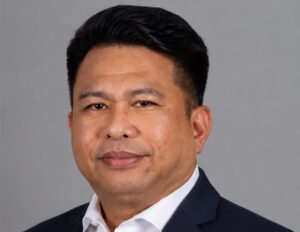
Chris Mangrobang
Role: Team Lead & Sr. Manager, Transfer Pricing
Years in Tax Field: 18+ years
Area of Expertise: Transfer Pricing
Notable Experience:
- Industry experience includes an in-house transfer pricing role at a large automotive parts manufacturer, drafting U.S. and Canadian local files.
- Hands-on experience across compliance, audit defense, transfer pricing planning, double tax elimination submissions, due diligence negotiations, and risk assessments.
- Real estate research and pharmaceutical economic modeling.
- At Exactera, oversees compliance work for multiple jurisdictions, advising clients on a wide range of TP questions.
Overview
Professional Bio
Chris Mangrobang has over 18 years of transfer pricing experience, the majority of which was gained while working in a global accounting firm. His career spans compliance work, audit defense, transfer pricing planning, double tax elimination submissions, due diligence negotiations, and transfer pricing risk assessments.
For a time, Chris worked in an in-house transfer pricing role within a large automotive parts manufacturer, drafting U.S. and Canadian local files. Since joining Exactera, he has overseen compliance work for many jurisdictions, interacting with clients on a multitude of transfer pricing questions.
Prior to starting his transfer pricing career, Chris held roles in real estate research and pharmaceutical economic modeling. He is a CFA Charterholder and an economist by academic training.
Education
- MA, Economics – Fordham University in NY.
BA – University of the Philippines
Credentials
- CFA Charterholder
Perspectives
What I’ve learned about corporate tax:
A well-crafted corporate tax strategy designed to be compliant with TP rules provides certainty for companies to confidently plan for expansion and future growth. It turns the compliance burden into a meaningful exercise rather than something that stymies corporate plans and strategy. Companies that mitigate transfer pricing penalties — many of which are far heftier than executives realize — also create confidence at the leadership level to plan for growth, knowing their underlying transfer prices are appropriate and less likely to be challenged.
What surprised me the most about transfer pricing:
There is an abundant space to thrive and add value to the client, whether functioning as an advisor or as an in-house TP professional. There is the challenge of interpreting local rules, presenting client facts in a manner that is helpful for tax authorities, and crafting the appropriate analysis to support the client’s intercompany dealings in case of an audit. It is an art more than a science.
My greatest strengths are:
I diligently invest in understanding my client’s business model and operations and tie these to an appropriate TP model built to ensure compliance. I am good at explaining TP concepts and principles to the client’s tax and finance teams so that they appreciate the detailed fact gathering and rigorous analysis that we undertake.
Many clients find the exercise less straightforward than they expect. We help them with a clear walkthrough of the options available and explain how to prepare robust documentation that supports the transaction in case of an audit.
More broadly, there is an increasing focus from tax authorities on taxing profits where value is generated, with more emphasis on substance over form — where the actual conduct of transactions matters more than what’s embodied in the intercompany agreements. Solving today’s challenges requires anticipating that dual focus.
